

To-sun Technology · News Trends
Invite you to witness every step of development and growth
Laboratory Design and Construction – Nanjing Expansion Technology
Release time:
2025-10-19 00:00
Laboratory design is the very soul of laboratory construction. A high-quality design plan provides scientific guidance for laboratory development, ensuring that the lab achieves optimal performance in terms of safety, functionality, and forward-thinking capabilities. Nanjing Expansion Technology Co., Ltd. With years of deep expertise in laboratory design and construction, we leverage our precise understanding of industry standards, profound insights into scientific research needs, and continuous technological innovation to deliver comprehensive, end-to-end services—from conceptual design to project implementation—for a wide range of laboratory construction projects. As a leader in driving the standardization and professionalization of the laboratory construction industry, we are committed to setting new benchmarks for excellence in this dynamic field.
Nanjing Expansion Technology has consistently prioritized "compliance" as the primary principle throughout the laboratory design process, ensuring that laboratory construction adheres to relevant national standards and industry regulations. Different types of laboratories have distinct design criteria: for instance, biosafety laboratories must comply with the "Technical Code for Biosafety Laboratory Construction," while chemical laboratories should follow the "Design Code for Chemical Laboratories." Similarly, food testing laboratories must meet the "Technical Requirements for the Construction of Food Inspection and Testing Laboratories." Our company's design team boasts deep professional expertise and extensive industry experience, thoroughly familiar with the design standards and acceptance requirements specific to various laboratory types. This enables us to proactively mitigate compliance risks from the early stages of the design process. During the design phase, our team meticulously plans for critical aspects such as fire protection, explosion prevention, corrosion resistance, ventilation and exhaust systems, and emergency evacuation procedures. For example, in chemical laboratory designs, we carefully tailor ventilation systems based on the types of hazardous gases generated during experiments, ensuring that exhaust efficiency meets regulatory standards. In biosafety laboratory designs, we rigorously delineate clean zones, semi-contaminated zones, and contaminated zones, incorporating independent air purification systems and dedicated waste disposal pathways to prevent the spread of biological contamination. This compliance-driven design approach provides a solid foundation for ensuring both the safety and legal validity of laboratory construction projects.
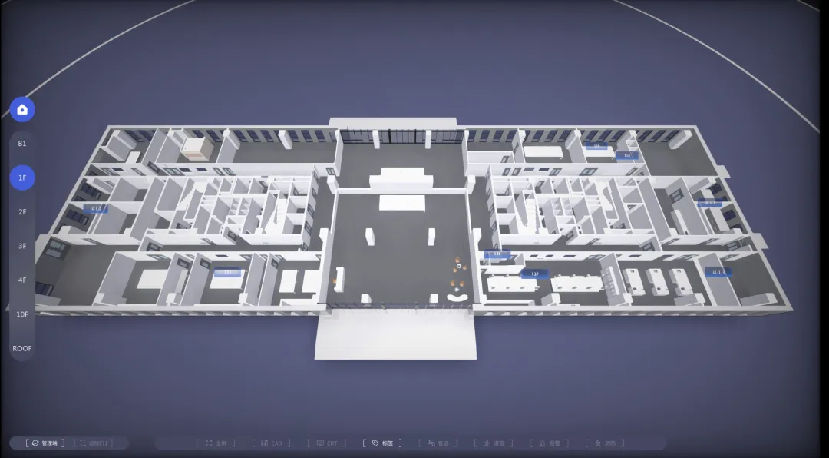
Forward-thinking is another core strength of Nanjing Expansion Technology Lab Design, and it is also the key to ensuring the long-term value of laboratory construction. Scientific research is advancing rapidly, with experimental technologies and equipment undergoing frequent updates and replacements. If a lab design only addresses current needs, it may quickly become outdated in the short term, failing to accommodate new research projects. Therefore, during the lab design process, our company consistently adheres to the principle of "reserving space and interfaces," thoroughly considering clients' development plans for the next 3 to 5 years. For instance, in electrical circuit design, we proactively allocate sufficient power capacity and socket interfaces based on the anticipated future increase in experimental equipment power requirements. In ventilation system design, we adopt a modular approach, making it easy to add fume hoods or adjust exhaust pathways later according to evolving experimental demands. Meanwhile, in spatial layout planning, we leave behind flexible areas that can be swiftly reconfigured as research priorities shift. Additionally, we closely monitor cutting-edge technologies and emerging trends in laboratory construction both domestically and internationally, integrating intelligent and eco-friendly concepts into our designs. For example, we incorporate smart monitoring systems into lab layouts to enable real-time environmental monitoring and remote control; we also utilize energy-efficient equipment and environmentally friendly materials to reduce lab energy consumption and minimize environmental impact. This forward-looking design ensures that lab construction keeps pace with scientific advancements, extending the lifespan of the facility while enhancing long-term investment returns.
Human-centered design is a crucial consideration in the laboratory design by Nanjing Expansion Technology, as it plays a key role in enhancing both the practicality and comfort of the lab environment. Laboratories are long-term workspaces for researchers, and the rationality of their design directly impacts operational efficiency and the well-being of personnel. Therefore, during the laboratory design process, our company thoroughly considers the operational habits of experimental staff along with ergonomic principles to optimize detailed design elements. For instance, in the design of laboratory benches, we carefully determine the optimal height, width, and drawer layout based on the typical range and frequency of experimental tasks, minimizing unnecessary bending or reaching motions and thereby reducing physical strain. In terms of lighting design, we adopt a balanced approach that combines natural light with artificial illumination, ensuring even lighting while avoiding glare or insufficient brightness, thus safeguarding the visual health of lab workers. Additionally, in the design of rest areas and auxiliary zones, we provide comfortable seating, drinking facilities, and storage cabinets, offering convenient spaces for rest and personal belongings. Furthermore, our company pays close attention to barrier-free design, incorporating accessible features such as ramps and widened doorways throughout the lab to ensure ease of use for individuals with special needs. This human-centered approach not only equips the laboratory with professional scientific capabilities but also creates a comfortable and convenient working environment for researchers, ultimately boosting their motivation and productivity.
Seamless integration between laboratory design and construction is the core capability that Nanjing Expansion Technology leverages to ensure project quality and efficiency. Many laboratory construction projects suffer from a disconnect between design and execution, leading to ineffective implementation of design plans or frequent changes during construction—resulting in schedule delays and increased costs. In contrast, Nanjing Expansion Technology boasts its own dedicated construction team. Our design professionals remain actively involved throughout the entire construction process, maintaining close communication with the construction team to promptly address any design-related challenges encountered on-site. For instance, if discrepancies arise between site conditions and the original design plans during construction, our designers immediately conduct on-site inspections and make timely adjustments to ensure that the construction schedule and quality are not compromised. Additionally, during equipment installation, our design team collaborates closely with both equipment suppliers and the construction team to guarantee that installation locations and interfaces align precisely with the design specifications. This integrated design-and-construction service model effectively eliminates the risk of misalignment between design and construction, significantly enhancing project efficiency while ensuring that the final outcome of the laboratory construction remains fully consistent with the original design intent.
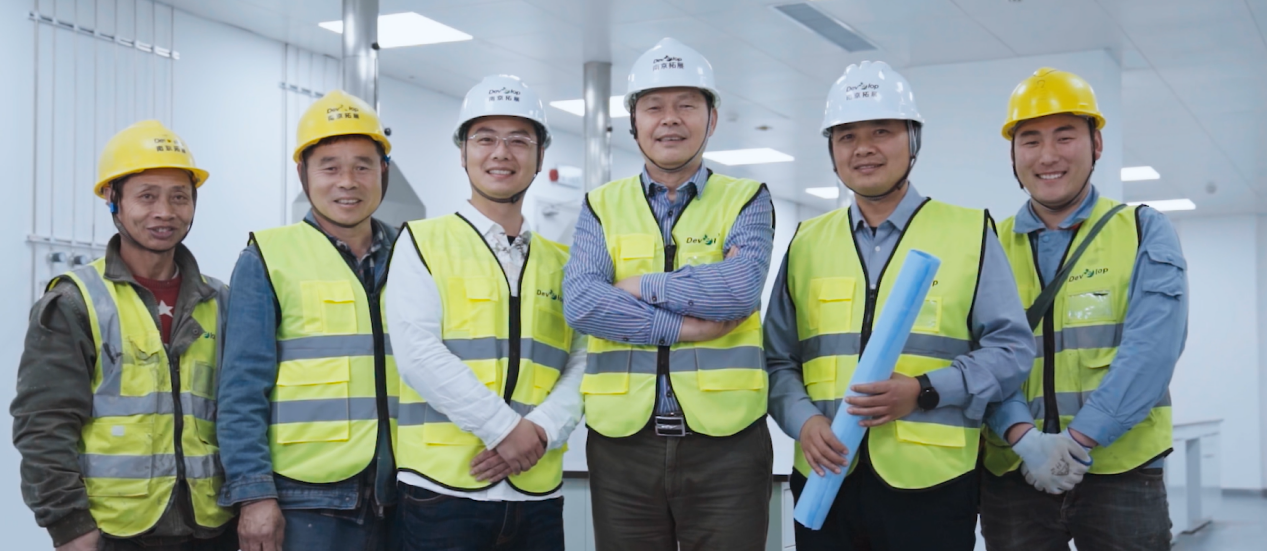
Over the years, Nanjing Tuozhan Technology has successfully completed laboratory construction projects for numerous universities, research institutions, and enterprises across China, thanks to its compliance-driven, forward-thinking, and user-friendly laboratory designs, as well as its integrated design-and-construction service capabilities. These projects span diverse fields such as biomedicine, chemical engineering, materials science, environmental monitoring, and food testing. Moving forward, the company will remain committed to innovating and upgrading its laboratory design and construction technologies, providing even higher-quality services to more clients and contributing to the advancement of scientific research in China.
Related News

Committed to becoming a leader in the field of laboratory construction in China

WeChat Public Number
Nanjing To-Sun Technology Co.,Ltd
sale@to-sun.com
Address: 6th Floor, Anke Building, 31 Guangju Road, jianye district, Nanjing